Overview
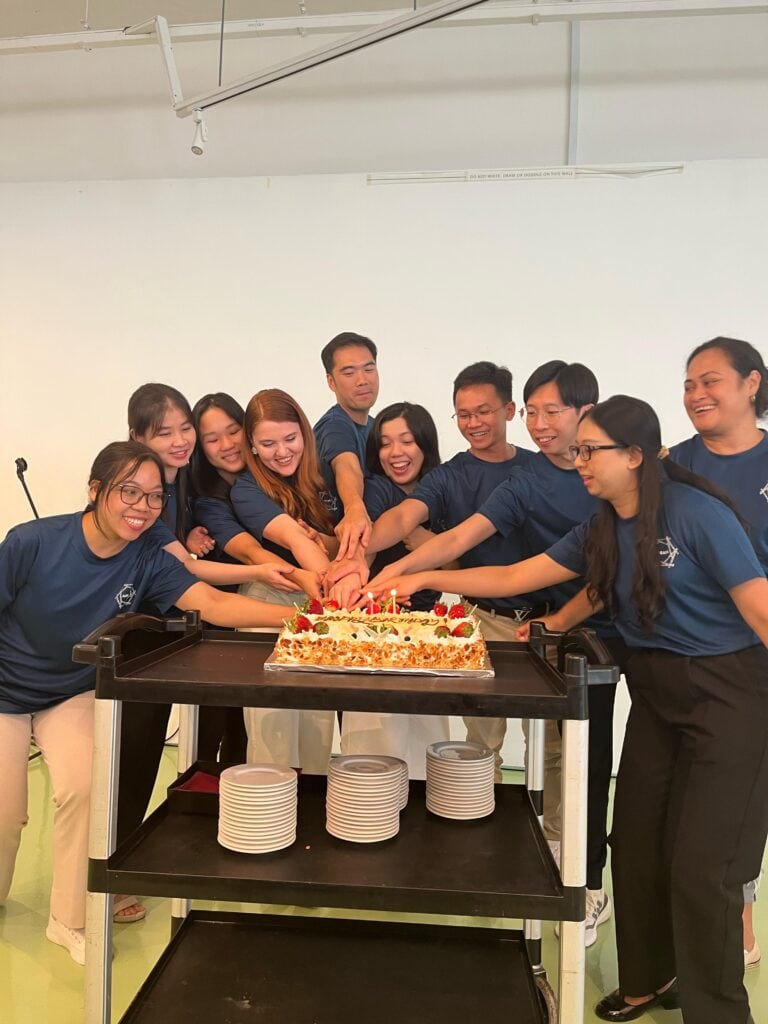
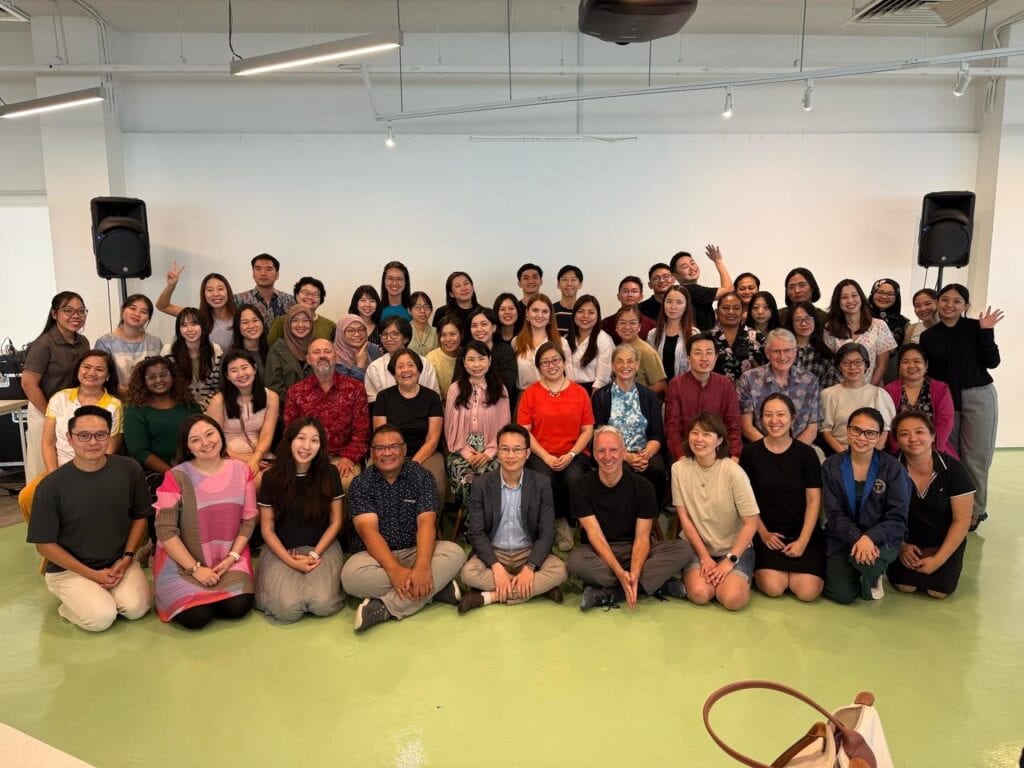
The first Pain Camp was the Southeast Asia Pain Camp held in Bangkok, Thailand, in 2011. The Southeast Asia Pain Camps are held in different ASEAPS countries biennially. Biennial Pain Camps are also organized by FEDELAT (e.g in Mexico in 2016), and in 2025 the first African Pain Camp and SARPS Pain Camp were held in Nairobi, Kenya and New Delhi, India respectively.
Pain Camps target young, early career members of IASP. Pain Camps are seen as more suitable for those from LMICs. Prospective participants must be selected through a competitive process by the Pain Camp organizers against specified criteria. Participants are expected to be, or become, an IASP member.


Apply For Pain Camp Funding
The application period for the 2027 Pain Camps is now open. The application deadline is 30 June 2026.
IASP Pain Camp Requirements
Find the minimum requirements for IASP support for a pain camp here.
Past and Upcoming Pain Camps
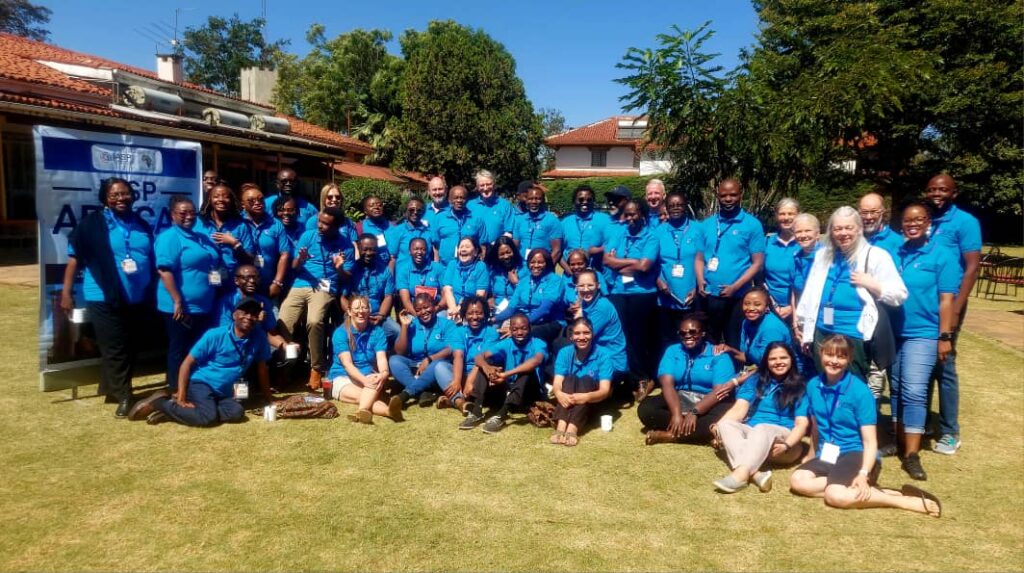
2025 African Pain Camp
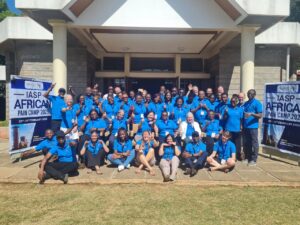
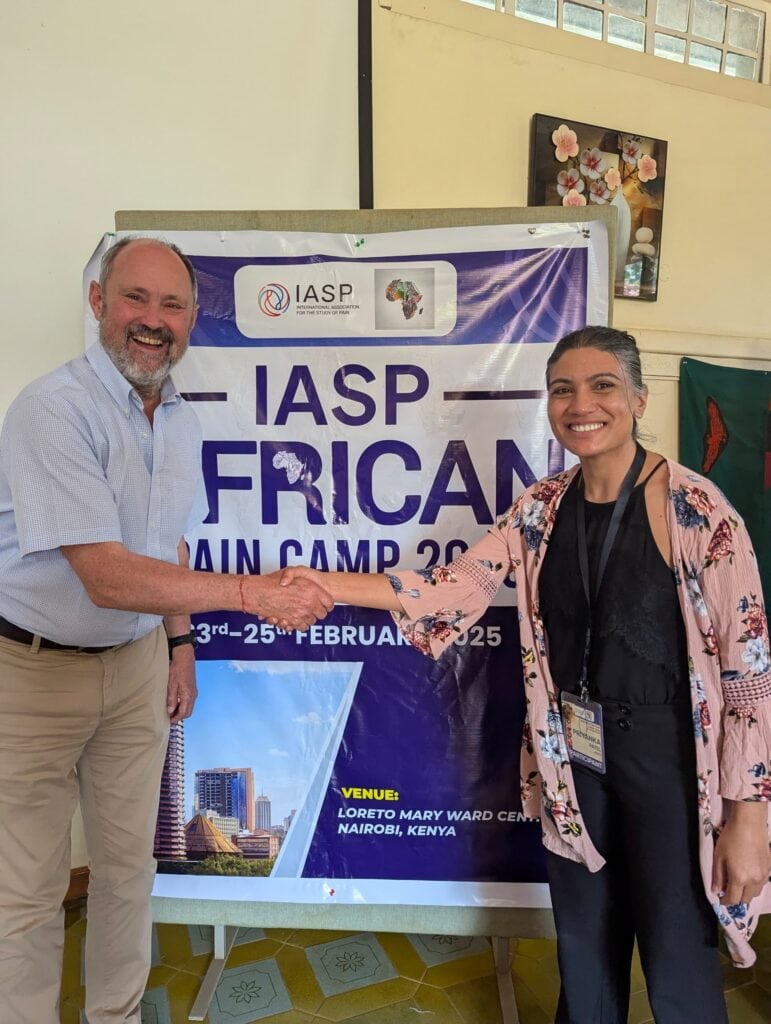
IASP hosted its first African Pain Camp in Nairobi, Kenya, in February 2025 to strengthen pain management knowledge, skills, and attitudes across multiple domains, emphasizing the multidimensional nature of pain. All participants were healthcare professionals working in Sub-Saharan Africa.
The African Pain Camp offered interdisciplinary training designed to deepen participants’ understanding of pain mechanisms, holistic pain assessment relevant to African healthcare contexts, and both pharmacological and non-pharmacological management strategies, including lifestyle modifications, exercise, mindfulness, and psychological approaches.